Suez Maru Families and Research Association

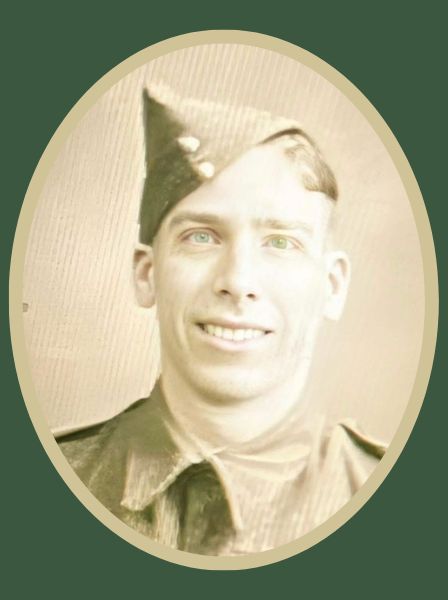
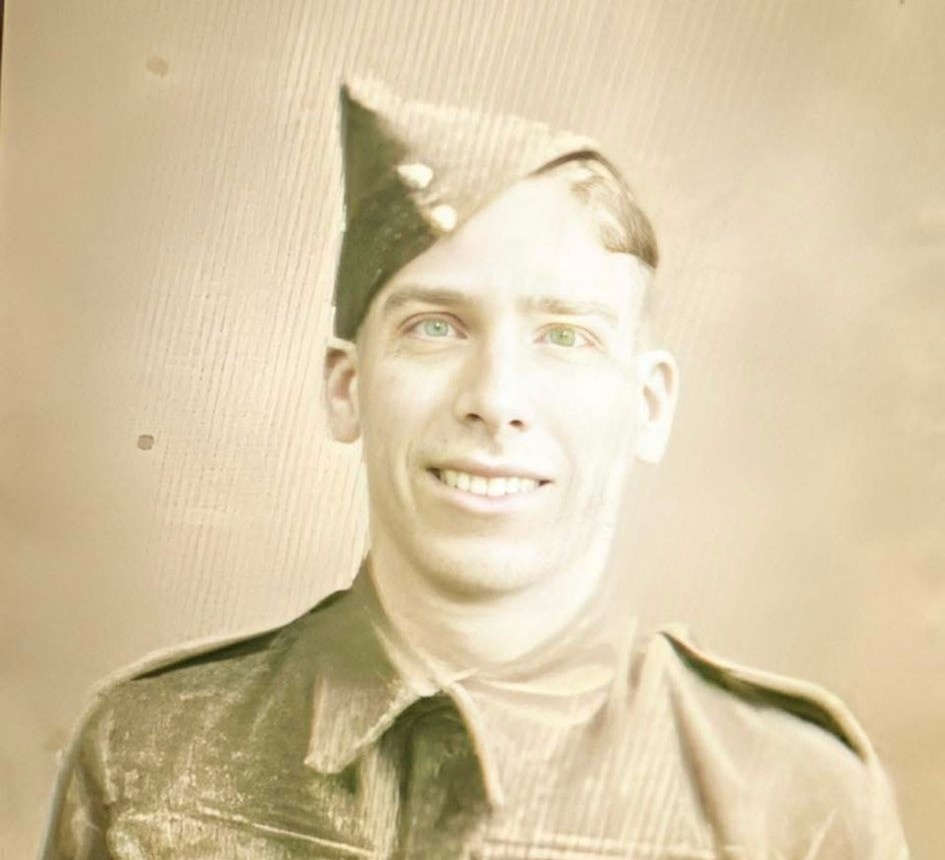
James Mee
10 April 1921 - 29 November 1943
James Mee
Royal Artillery
77 HAA, 239 Bty
Rank: Gunner
Service No: 1807626
Home Town: Nottingham
Nationality: English
Family:
Father: Robert Mee
Mother: Alice Mee
Regimental History: The 77th Holywell HAA in Java (1942)
The 77th (Welsh) Heavy Anti-Aircraft Regiment, Royal Artillery (Territorial Army) was originally destined to reinforce Allied positions in the Middle East, boarding Convoy WS14 in late 1941. However, following the outbreak of hostilities with Japan, their trajectory was drastically altered to meet the escalating crisis in Southeast Asia.
From the UK to Singapore and Batavia
Gunner James Mee’s unit, including 239 Battery, arrived in Singapore on 13 January 1942. In a critical logistical failure, their heavy weapons, ammunition, and specialized equipment had been shipped on separate vessels. Arriving virtually empty-handed, the Gunners had to scavenge whatever ordnance and equipment they could salvage from around the island. As Singapore’s defences buckled under intense pressure, the regiment was evacuated by sea just days before the formal surrender, arriving in Batavia (now Jakarta), Java, on 3 February 1942.
The Battle for Java
Operating under the unified American-British-Dutch-Australian (ABDA) Command, the 77th HAA was swiftly deployed to safeguard critical military hubs, vital airfields, and ports across Java. Elements of the regiment and 239 Battery were positioned near Batavia and airfields like Andir and Kalidjati near Bandung.
Equipped with standard 3.7-inch anti-aircraft guns, the regiment put up a fierce defence against near-constant Japanese air raids. Despite operating under crippling constraints—including severe ammunition shortages, an absolute lack of early-warning radar systems, and minimal Allied air cover—the Gunners fought bravely, successfully downing numerous enemy aircraft and protecting retreat lines.
Surrender and Capture
By late February 1942, Japanese forces had landed in overwhelming numbers across Java. Completely cut off and isolated after catastrophic Allied naval defeats in the Battle of the Java Sea, the Dutch High Command signed an unconditional capitulation on 8 March 1942.
The British command under Major-General Sir Hervey Sitwell had no operational choice but to order forces to lay down their arms. Gunner James Mee and his fellow soldiers were taken into custody as Far East Prisoners of War (FEPOW) on 8 March 1942, marking the beginning of a brutal 20-month captivity.
3. The Tragedy of the Suez Maru
After enduring horrific conditions in prisoner camps across Java and Ambon, Gunner Mee was among 547 sick British and Dutch POWs boarded onto the Suez Maru, a 4,645-ton Japanese merchant vessel, on 25 November 1943. The vessel was traveling from Ambon toward Surabaya. As was standard practice for Japanese ‘Hell Ships,’ the vessel carried no markings indicating the presence of Allied prisoners.
On 29 November 1943, while navigating the Java Sea, the vessel was intercepted and torpedoed by the American submarine USS Bonefish. The torpedo strike caused the ship to sink rapidly. While hundreds of prisoners tragically drowned inside the holds, an estimated 200 to 250 men successfully managed to escape into the open water, clinging to debris.
Following express directives from Japanese higher command, the escorting Japanese minesweeper W-12 systematically systematically systematically opened fire on the helpless survivors with machine guns. The slaughter lasted for hours, ensuring that not a single Allied prisoner survived the massacre. Gunner Mee’s name is preserved alongside his comrades on Column 25 of the Singapore Memorial at Kranji.


Far East PoW Japanese Index Card
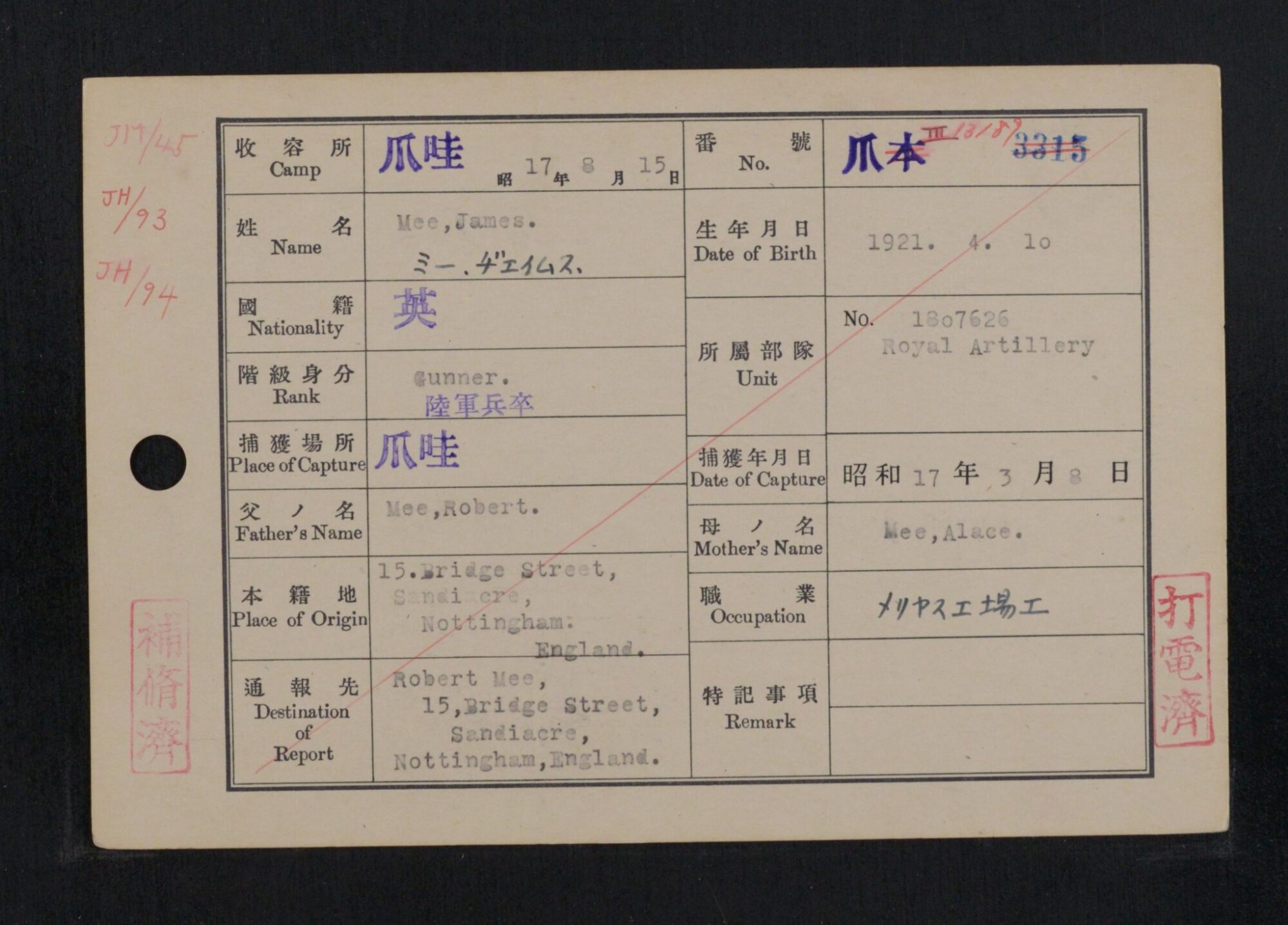
The front of the card (except English sections)
Camp – the three vertical lined characters – JAVA (1942 (17th year of the the emperors reign) August 15th)
Nationality given as British/English
Place of capture – JAVA, and another character,
PoW number: The box marked No. is the PoW number a man had. I think the crossing out denotes when the PoW was transferred (for the SM men) to the Moluccas.
So I think originally at Java Base, then [moved to] Java Camp III (3). Camp (3) beling Ambon.
The two red vertical stamps on either side of the main box have been translated as ‘Supplement’ and ‘Telegraphed’ – relates to the ‘processing’ of the deaths, sending (via telegram)
The red diagonal line across the whole front of the page is a rather callous way to indicate the person was deceased.
Image (c) TNA WO345
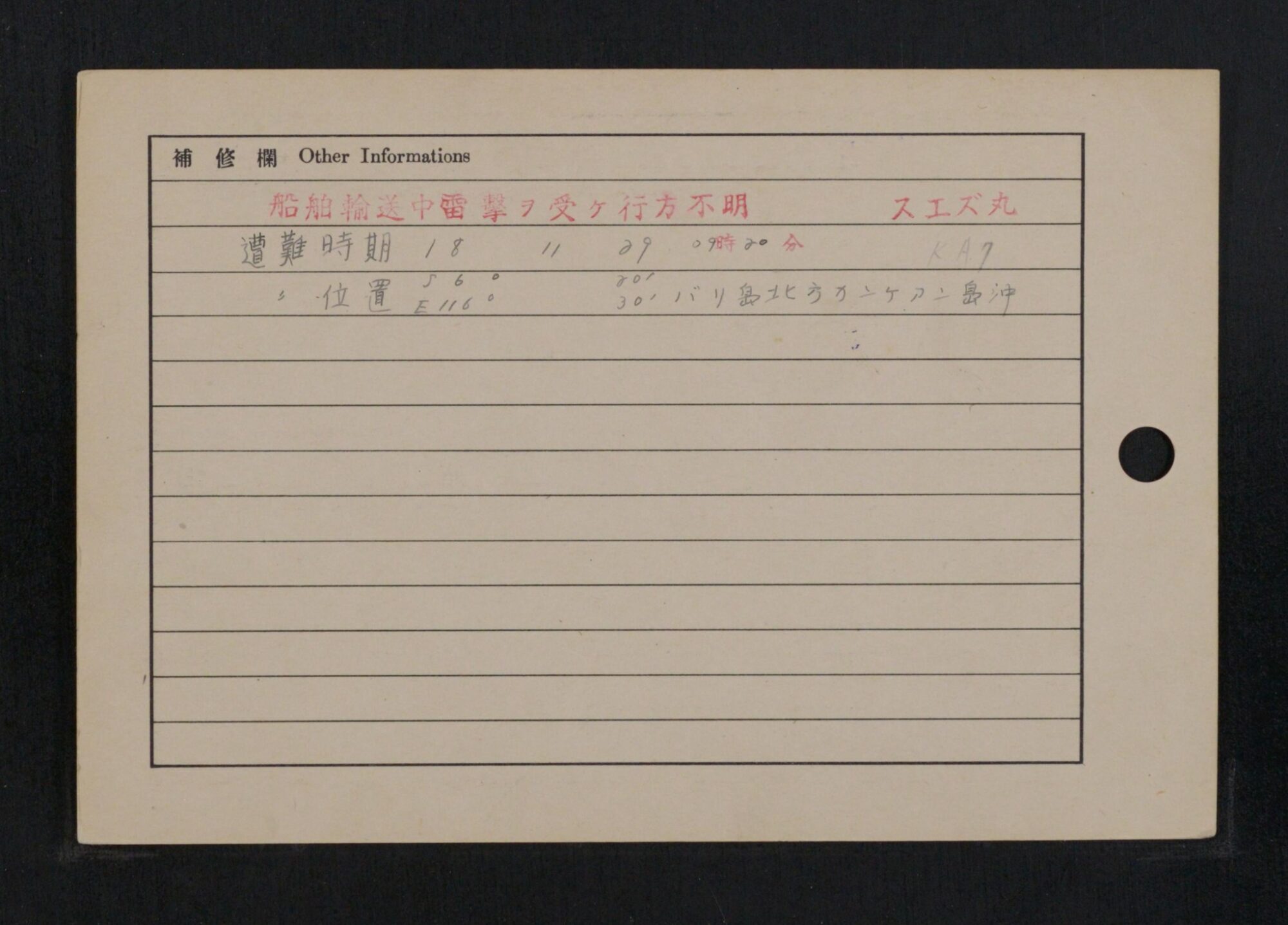
35
Reverse of the index card
Top line: Other Informations noted that a stamp was made for the first section of red text, and a smaller (4-character) stamp for the end of the same line; the Japanese text translated-
2nd line: The ship was on its way to deliver the prisoners when it was hit by a thunderstorm. [4 characters after small gap] Suez Maru
3rd line: When the attack happened. [date – 18th year of emperor’s reign, 11th month, 29th of the month: 1943, November 29th] 18.11.29 [time of sinking] 09:20 [KA text here – unclear what this refers to]
4th line: [first text, then coordinates] Where the attack happened S 6 20′ E 116 30’ [description of location of sinking] North of Bali Island near Kangayan [Kangean] Island.
Some reverses have additional information, but for the vast majority (of Suez Maru men), their card reverses are identical
Image (c) TNA WO345
Are You Related to James Mee?
If you are a relative, or have additional information, photographs, or family recollections to share, we would be honoured to hear from you.
This archive continues to grow through the generosity of families who wish to preserve the memory of those lost.